
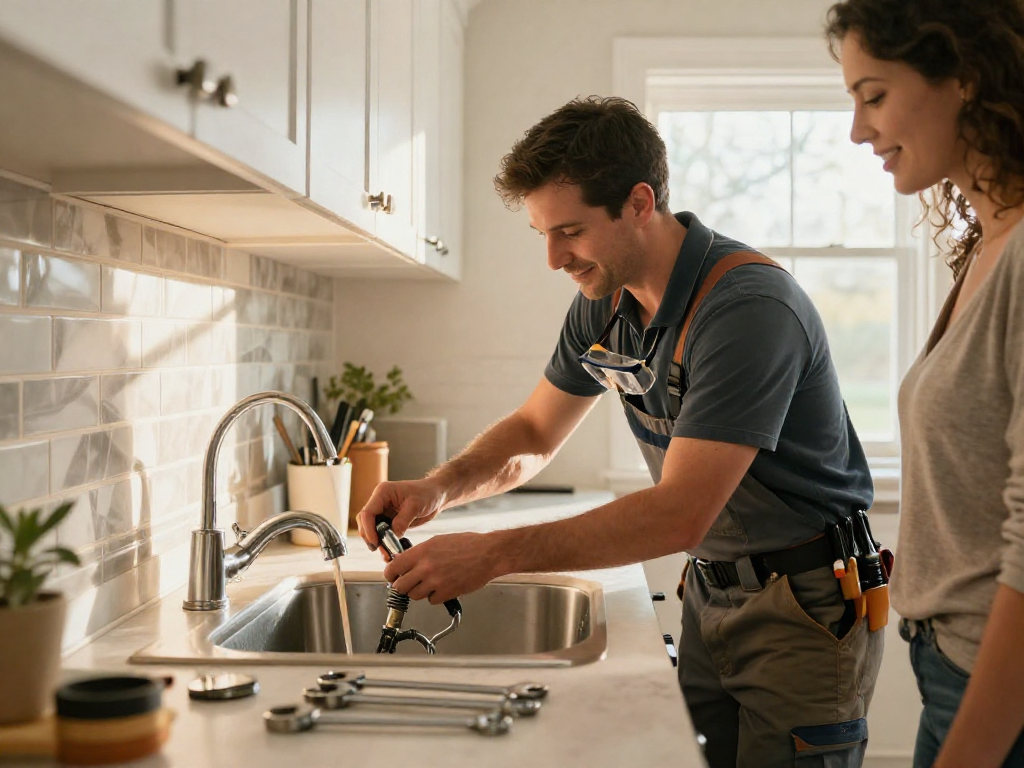
Understanding Plumbing Services in Fort Worth
In Fort Worth, plumbing services encompass a wide array of tasks aimed at ensuring the proper functioning of water supply systems, drainage, and sanitary fittings. As one of the essential trades, plumbing plays a critical role in safeguarding our homes and businesses from water-related issues. With local climate variability and increasing demands on plumbing systems, understanding the scope and importance of professional plumbing services is vital for all homeowners.
When exploring options, plumbing service Fort Worth provides comprehensive insights into reliable plumbing solutions tailored to North Texas. This article aims to delve into various facets of plumbing services, including common issues homeowners face, the keys to assessing plumbing service quality, and future trends shaping the industry.
What Are Plumbing Services?
Plumbing services refer to a range of tasks performed by trained professionals aimed at installing, maintaining, and repairing water systems in residential, commercial, and industrial properties. These services go beyond mere leak repairs and include:
- Installation of new piping systems
- Water heater installation and repair
- Drain cleaning and clog removal
- Fixture installations like faucets, sinks, toilets, and showers
- Backflow prevention and testing
- Emergency plumbing services
Importance of Professional Plumbing Services
Engaging a professional plumbing service is crucial for several reasons:
- Expertise: Licensed plumbers possess the knowledge and skills needed to handle complex systems safely and efficiently.
- Safety: Incorrect plumbing work can result in dangerous gas leaks, floods, or other hazardous situations.
- Cost-Effectiveness: Professional services can save homeowners money in the long run by preventing further damage and ensuring efficient repairs.
Types of Plumbing Services Offered in Fort Worth
Various plumbing services cater to the distinct needs of residents in Fort Worth, including:
- Residential Plumbing: Services tailored for homes, including repairs, installations, and maintenance.
- Commercial Plumbing: Specialized services for businesses, involving larger systems and compliance with commercial codes.
- Emergency Plumbing: 24/7 services to address urgent plumbing issues like burst pipes or major leaks.
- Water Treatment Services: Installation of systems that purify drinking water and improve water quality.
Key Features of Quality Plumbing Services
Licensing and Certification Requirements
When hiring a plumbing service, it is vital to ensure that the technicians are licensed and certified. In Texas, plumbers must pass a state examination to obtain their license, which ensures they have met the required educational and practical experience standards. Always verify the plumber’s license status through the Texas State Board of Plumbing Examiners to ensure compliance with local regulations.
Tools and Technology Used in Plumbing
Modern plumbing services leverage cutting-edge tools and technologies to enhance efficiency and accuracy. Common tools include:
- Video Inspection Cameras: Used to identify blockages and damages within pipes without invasive procedures.
- Hydro Jetting: A high-pressure cleaning method that effectively clears stubborn clogs over traditional methods.
- Smart Home Technology: Plumbing systems integrated with smart devices for monitoring leaks and water usage.
Customer Service Considerations
Quality plumbing services prioritize customer satisfaction. Key elements of strong customer service in the plumbing industry include:
- Prompt response times for inquiries and emergencies.
- Clear communication regarding services, costs, and timelines.
- Post-service follow-up to ensure customer satisfaction and address any residual issues.
Common Plumbing Issues Faced by Homeowners
Leaky Faucets and Pipes
One common issue that homeowners face is leaky faucets or pipes. This not only wastes water but can also lead to higher utility bills and potential water damage over time. Regular inspection and immediate repairs are essential to prevent these leaks from escalating.
Clogged Drains and Toilets
Clogged drains and toilets are perhaps the most frequent plumbing complaint. While minor clogs can sometimes be cleared with DIY methods, persistent issues often require professional intervention. It’s advisable to avoid using chemical drain cleaners as they can damage pipes over time.
Water Heater Failures
Water heater failures can disrupt daily routines, making it essential to conduct regular maintenance checks. Homeowners should watch for signs such as inconsistent water temperatures or unusual noises from the unit. Professional plumbing services can provide repairs or replacements efficiently.
Best Practices for Hiring Plumbing Services
Evaluating Reviews and Ratings
Before hiring a plumbing service, always check customer reviews and ratings online. Platforms like Google and Yelp provide insights into past customer experiences, helping you gauge the reliability and quality of service from various providers.
Getting Estimates and Quotes
Requesting estimates from multiple plumbing companies can help you understand the range of costs for your plumbing needs. Be wary of quotes that seem significantly lower than others, as they may reflect a compromise in quality or service standards.
Understanding Guarantees and Warranties
Reputable plumbing services often provide warranties for their work. Understanding these guarantees can protect you from future costs associated with premature failures or repairs. Always inquire about the terms and conditions before proceeding with service.
Future Trends in Plumbing Services
Eco-Friendly Plumbing Solutions
The push towards sustainability is prompting many plumbing services to adopt eco-friendly practices. This includes the installation of water-saving fixtures, energy-efficient water heaters, and systems that recycle greywater.
Smart Home Integration
Smart technologies are transforming plumbing services by allowing homeowners to monitor and control their plumbing systems remotely. Smart leak detectors, for example, can alert homeowners to potential leaks before significant damage occurs.
Technological Advancements in Plumbing
Investing in emerging technologies, such as 3D printing for custom parts, robotic pipe inspection, and advanced leak detection systems, enhances the efficiency and effectiveness of plumbing services.
What Should I Look for in a Plumbing Service Provider?
When selecting a plumbing service provider, consider their experience, warranty offerings, customer service reputation, and your specific plumbing needs. A well-rounded provider will address various aspects of plumbing, from routine maintenance to emergency repairs.
How Do I Maintain My Plumbing System?
Maintaining your plumbing system involves regular inspections, timely repairs, and careful usage of plumbing fixtures. Homeowners should familiarize themselves with their systems and take proactive steps to prevent issues before they arise.
What are the Signs of Plumbing Problems?
Common signs of plumbing issues include low water pressure, strange noises from pipes, water stains on walls or ceilings, and foul odors from drains. Recognizing these signals early can lead to timely repairs and prevent extensive damage.
What Should I Do in a Plumbing Emergency?
In a plumbing emergency, your first step should be to turn off the main water supply to prevent flooding. If necessary, call your plumbing service provider immediately and provide them with detailed information about the issue for a faster response.
What are Typical Costs Associated with Plumbing Services?
The cost of plumbing services can vary significantly based on the complexity of the job, the materials used, and the provider's pricing structure. On average, simple repairs may cost between $150 to $400, while more extensive projects, like repiping, can range from $1,500 to $15,000. It’s advisable to obtain quotes and discuss pricing upfront to avoid surprises.